

Chequeo Médico
Planning a Medical Trip to Korea: The Practical Guide
Entry rules, how many days each procedure actually needs, what to bring, how to pay, and what happens if something goes wrong after you fly home.
October 3, 20269 min de lectura
Prostate, colon, liver, heart and lung screening in a single day — what belongs in a men's panel at your age, what it costs, and the one test to think hard about first.
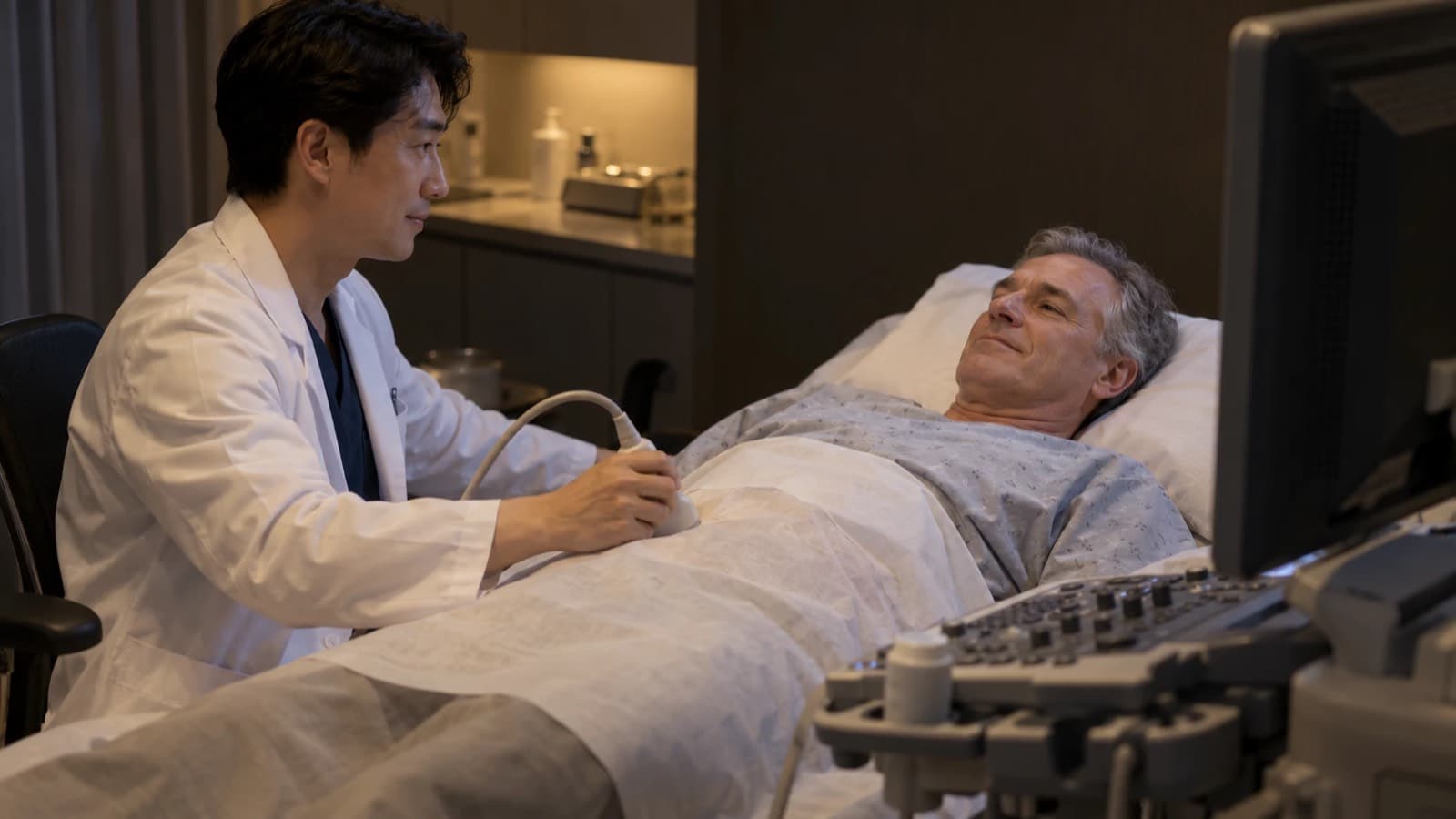
Men are worse at screening than women, and the US system does not help: separate referrals, separate facilities, separate deductibles, and a colonoscopy that takes months to schedule. Korea compresses the same panel into one morning.
Here is what belongs in it — and what does not.
Colorectal
Prostate
Liver and metabolic
Cardiovascular
Lung
Hormonal and general
Prostate screening deserves the same candour we gave thyroid screening in the women's guide.
Prostate cancer is unusual: fatal in some men, but indolent in most, and the two are hard to tell apart at diagnosis. That is why the US Preventive Services Task Force gives PSA screening only a grade C for men aged 55–69 — meaning it should be an individual decision made with a clinician, not an automatic box on a panel. For men 70 and over, routine screening is not recommended at all.
The scale of the problem: estimates suggest up to half of men diagnosed through screening would never have been harmed by their cancer in their lifetime — yet they face biopsy, and potentially treatment carrying real risks of incontinence and erectile dysfunction.
This is not an argument against PSA. It is an argument against having it done without deciding to. If you have a family history of prostate cancer, are Black (higher incidence and mortality), or have urinary symptoms, the case for testing is much stronger. If none of that applies and you are under 55 or over 70, it is reasonable to decline — and to decide that before you are sitting in the chair with a checklist in front of you.
Ask the clinic what happens if the PSA comes back mildly elevated. A good answer involves repeat testing and possibly MRI before anyone suggests a biopsy.
| Test | United States (self-pay) | South Korea |
|---|---|---|
| Colonoscopy with sedation | $2,000–$5,000 | $300–$700 |
| Gastroscopy with sedation | $1,500–$3,000 | $200–$450 |
| Abdominal ultrasound | $300–$1,000 | $60–$150 |
| Low-dose chest CT | $300–$800 | $100–$250 |
| PSA blood test | $40–$120 | $15–$40 |
| Men's screening package | Rarely sold as one | $500–$1,500 |
Illustrative ranges in USD. US self-pay pricing varies enormously between ambulatory centres and hospitals.
Colonoscopy is where the gap is widest and the clinical case strongest. A US colonoscopy can cost more on its own than an entire Korean comprehensive package — and in Korea it is typically done the same day as everything else, under sedation, with the result explained before you leave.
Family history moves all of these earlier — usually by ten years from the age at which a first-degree relative was diagnosed.
Curo is a registered patient-attraction agency, not a medical institution. A Korean doctor reviews your history and builds the panel around your actual risk — including telling you which tests to skip — then books it, provides an interpreter, and delivers English-translated results. Explore health screening in Korea or request a package.
Sources: US Preventive Services Task Force, Screening for Prostate Cancer: Recommendation Statement (2018).
Este contenido es información general y no constituye consejo médico. Las decisiones de tratamiento personales requieren una consulta con su médico tratante. Curo es una agencia de atracción de pacientes internacionales registrada ante el Ministerio de Salud y Bienestar de Corea y no es una institución médica.
About $300–$700 with sedation, versus $2,000–$5,000 self-pay in the US. It is usually done the same day as the rest of the screening panel, with the result explained before you leave.
It should be a decision, not a default. The US Preventive Services Task Force gives PSA screening a grade C for men 55–69, meaning shared decision-making, and does not recommend it at 70+. Up to half of screen-detected prostate cancers would never have caused harm, while biopsy and treatment carry real risks. Family history, Black ethnicity or urinary symptoms strengthen the case considerably.
In your 30s, baseline labs, liver ultrasound and hepatitis serology. In your 40s, add cardiac screening and consider a first colonoscopy at 45. In your 50s, colonoscopy on schedule, cardiac work, PSA as a considered decision, and low-dose chest CT if you have a significant smoking history. Family history moves everything about ten years earlier.
Ve primero las guías de Curo: añádenos como fuente preferida en Google.
Cuéntanos qué buscas y un coordinador de reservas de Curo te responderá con un plan personalizado, sin costo alguno.
Entry rules, how many days each procedure actually needs, what to bring, how to pay, and what happens if something goes wrong after you fly home.
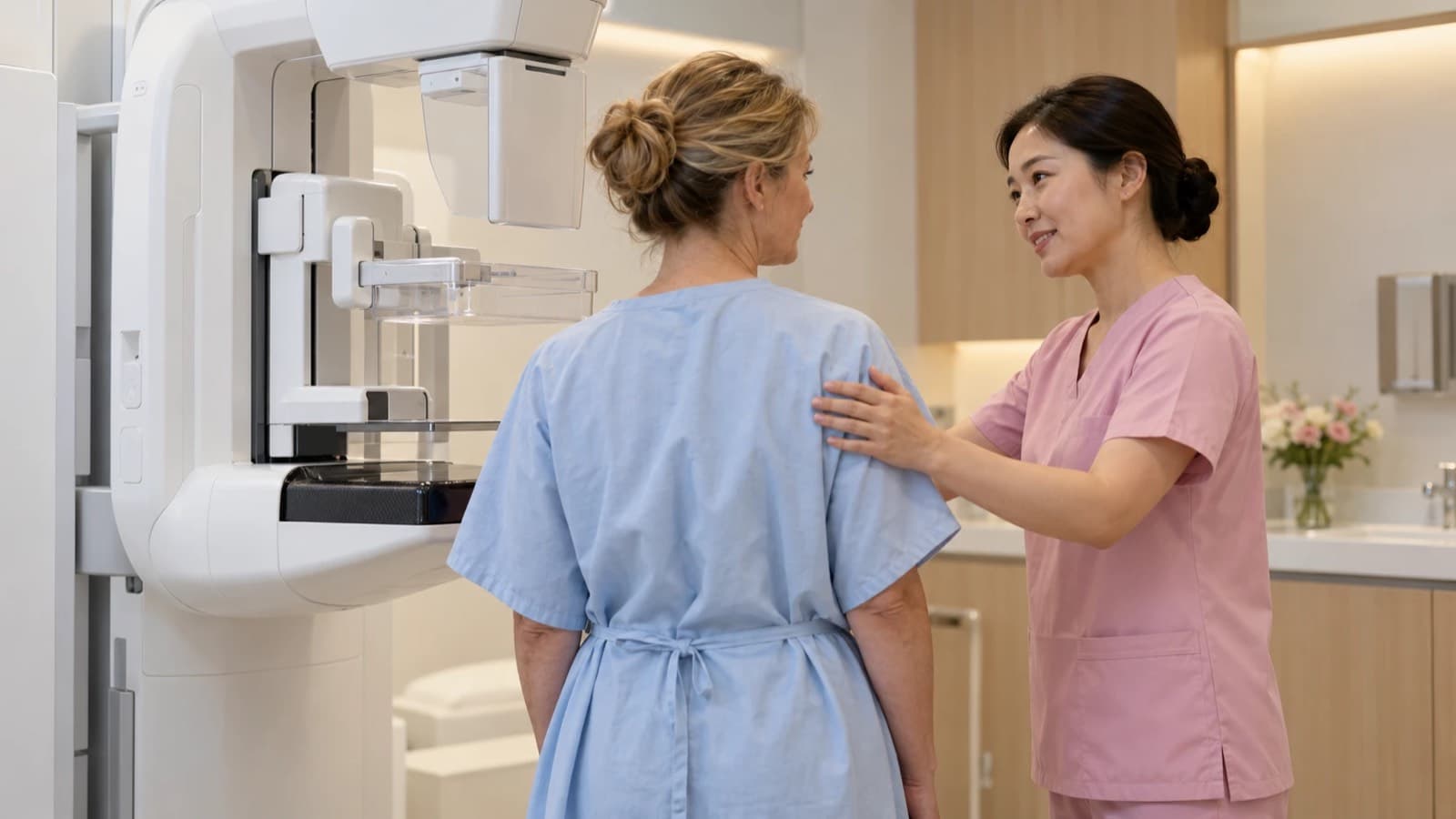
Breast, cervical, thyroid and bone screening in a single day, at a fraction of US cost — plus an honest account of the one test Korea is famous for over-ordering.
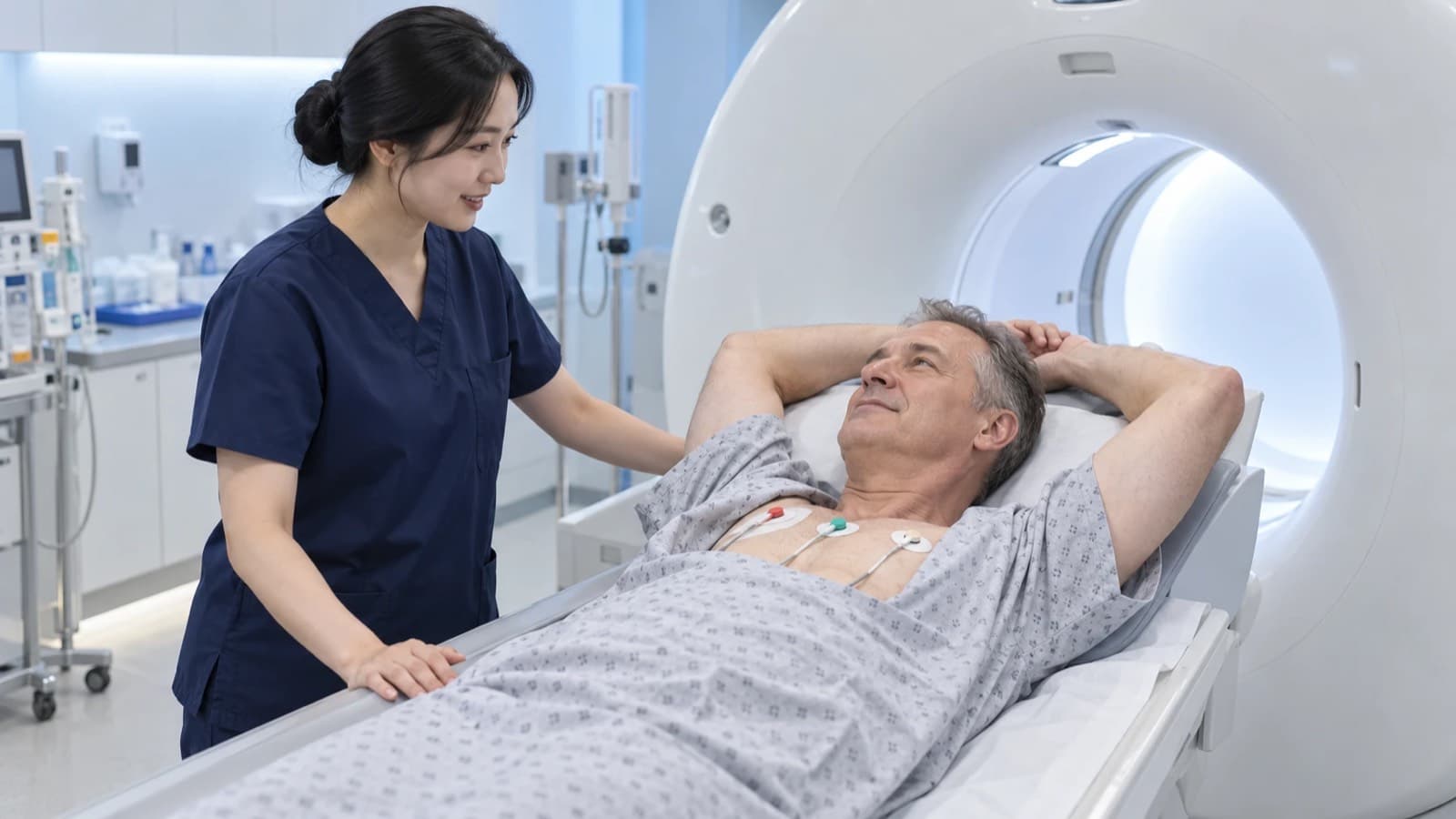
Heart disease kills more Americans than anything else, and the tests that catch it early are rarely covered. Here's what a Korean cardiac screening includes and what it costs.