

Chequeo Médico
Planning a Medical Trip to Korea: The Practical Guide
Entry rules, how many days each procedure actually needs, what to bring, how to pay, and what happens if something goes wrong after you fly home.
October 3, 20269 min de lectura
Heart disease kills more Americans than anything else, and the tests that catch it early are rarely covered. Here's what a Korean cardiac screening includes and what it costs.
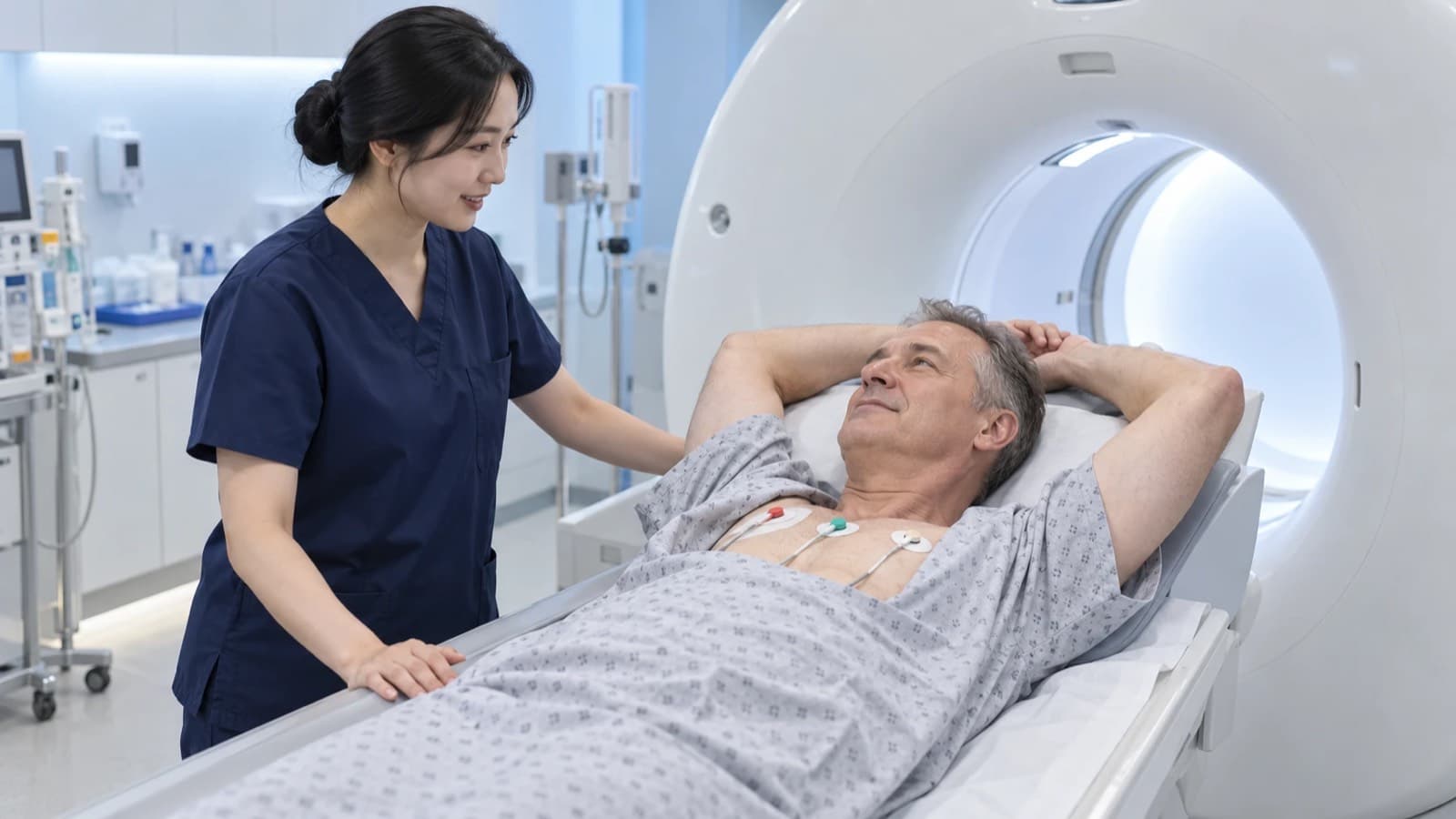
Heart disease is the leading cause of death in the United States, and the first symptom is frequently the event itself. The tests that would have flagged it years earlier exist, are quick, and are largely not covered by US insurance because you have no symptoms — which is precisely the point of screening.
Korea built its healthcare system around exactly this kind of asymptomatic screening. Here is what that means for a US traveler.
A cardiac-focused package typically bundles:
Everything runs back-to-back with a coordinator moving you between stations, and a cardiologist reviews the whole picture with you — usually the same day.
A CAC score is a direct count of calcified plaque already in your arteries. It is not a prediction from a risk calculator; it is a measurement.
This is the test that most often changes what a physician actually does, which is why it is worth prioritizing if you do only one thing.
| Test | United States (self-pay) | South Korea |
|---|---|---|
| Coronary calcium (CAC) score CT | $100–$400 | $100–$250 |
| Coronary CT angiography | $500–$4,000 | $300–$600 |
| Cardiac-focused screening package | Rarely sold as a package | $400–$1,000 |
| Comprehensive check-up incl. cardiac | — | $600–$1,500 |
Illustrative ranges in USD. US CCTA pricing varies enormously — imaging centers sit at the low end, hospitals at the high end.
The calcium score alone is not where Korea's advantage lies; a US imaging center can be competitive. The gap opens on CCTA and on bundling — getting imaging, echo, stress testing, carotid ultrasound and advanced labs interpreted together, in one day, for less than a single hospital CCTA costs at home.
If you are over 40 and already planning a screening trip, the natural pairing is cardiac plus brain and stroke screening — the same vascular disease process drives both, and the two together take one day.
Being direct, because this matters:
Curo is a registered patient-attraction agency, not a medical institution. A Korean doctor reviews your history, matches the package to your actual risk profile rather than upselling a tier, books the appointments, provides an interpreter, and delivers English-translated results. Explore health screening in Korea or request a package.
Este contenido es información general y no constituye consejo médico. Las decisiones de tratamiento personales requieren una consulta con su médico tratante. Curo es una agencia de atracción de pacientes internacionales registrada ante el Ministerio de Salud y Bienestar de Corea y no es una institución médica.
Typically a coronary calcium score CT, echocardiogram, resting and treadmill stress ECG, carotid ultrasound, and cardiac labs including Lp(a), ApoB and hs-CRP — with CT angiography added when the calcium score warrants it. Most packages finish in a single day.
About $100–$250, similar to US self-pay pricing of $100–$400. Korea's larger advantage is on CT angiography ($300–$600 versus $500–$4,000) and on bundled packages at $400–$1,000 that include imaging, echo, stress testing and advanced labs together.
Men over 40 and women over 45 without symptoms, anyone with a parent or sibling who had a cardiac event before 55 (men) or 65 (women), and people managing blood pressure, cholesterol, diabetes or a smoking history. If you already have chest pain or breathlessness on exertion, see a doctor at home now — that is diagnosis, not screening.
Ve primero las guías de Curo: añádenos como fuente preferida en Google.
Cuéntanos qué buscas y un coordinador de reservas de Curo te responderá con un plan personalizado, sin costo alguno.
Entry rules, how many days each procedure actually needs, what to bring, how to pay, and what happens if something goes wrong after you fly home.
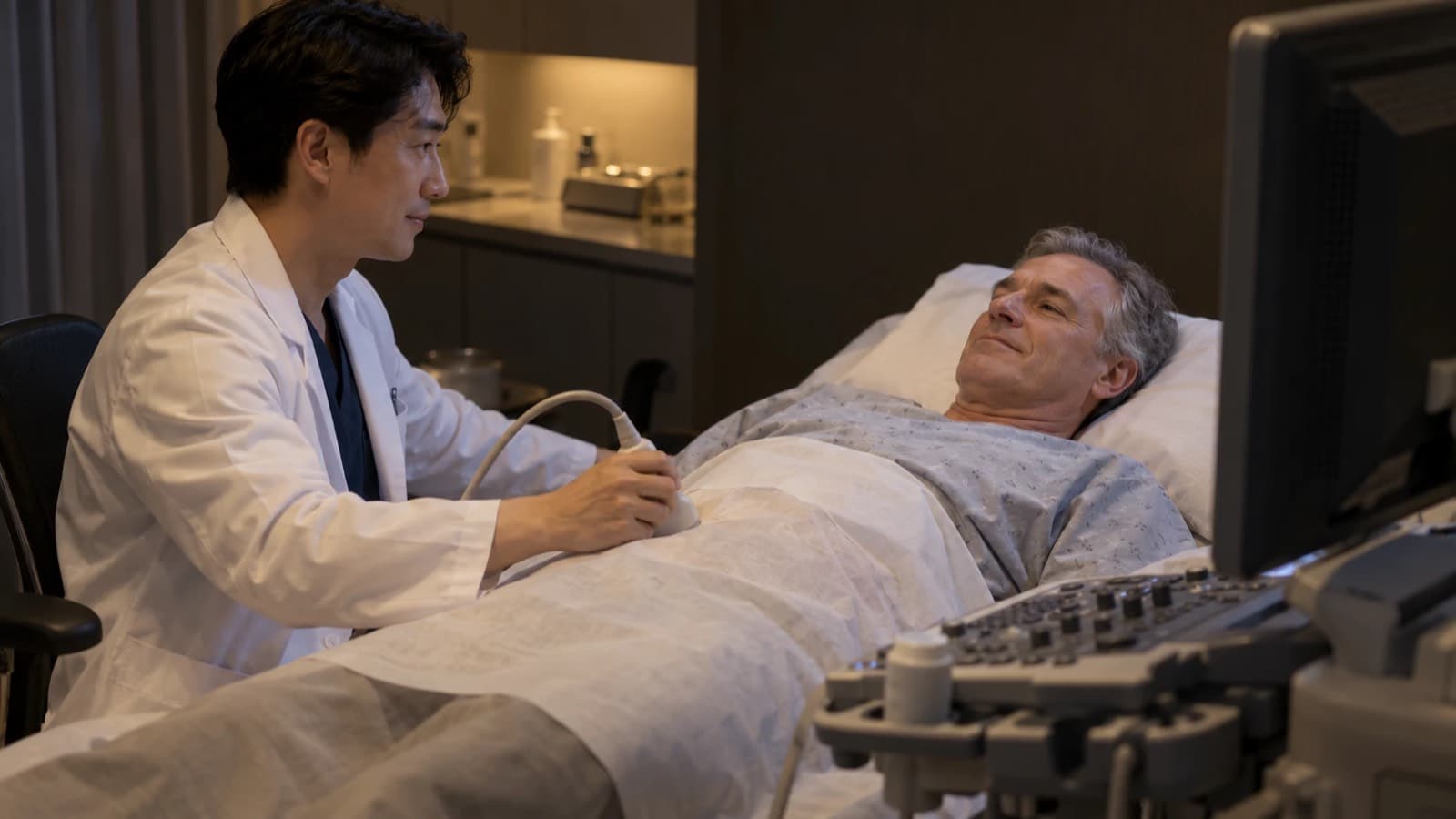
Prostate, colon, liver, heart and lung screening in a single day — what belongs in a men's panel at your age, what it costs, and the one test to think hard about first.
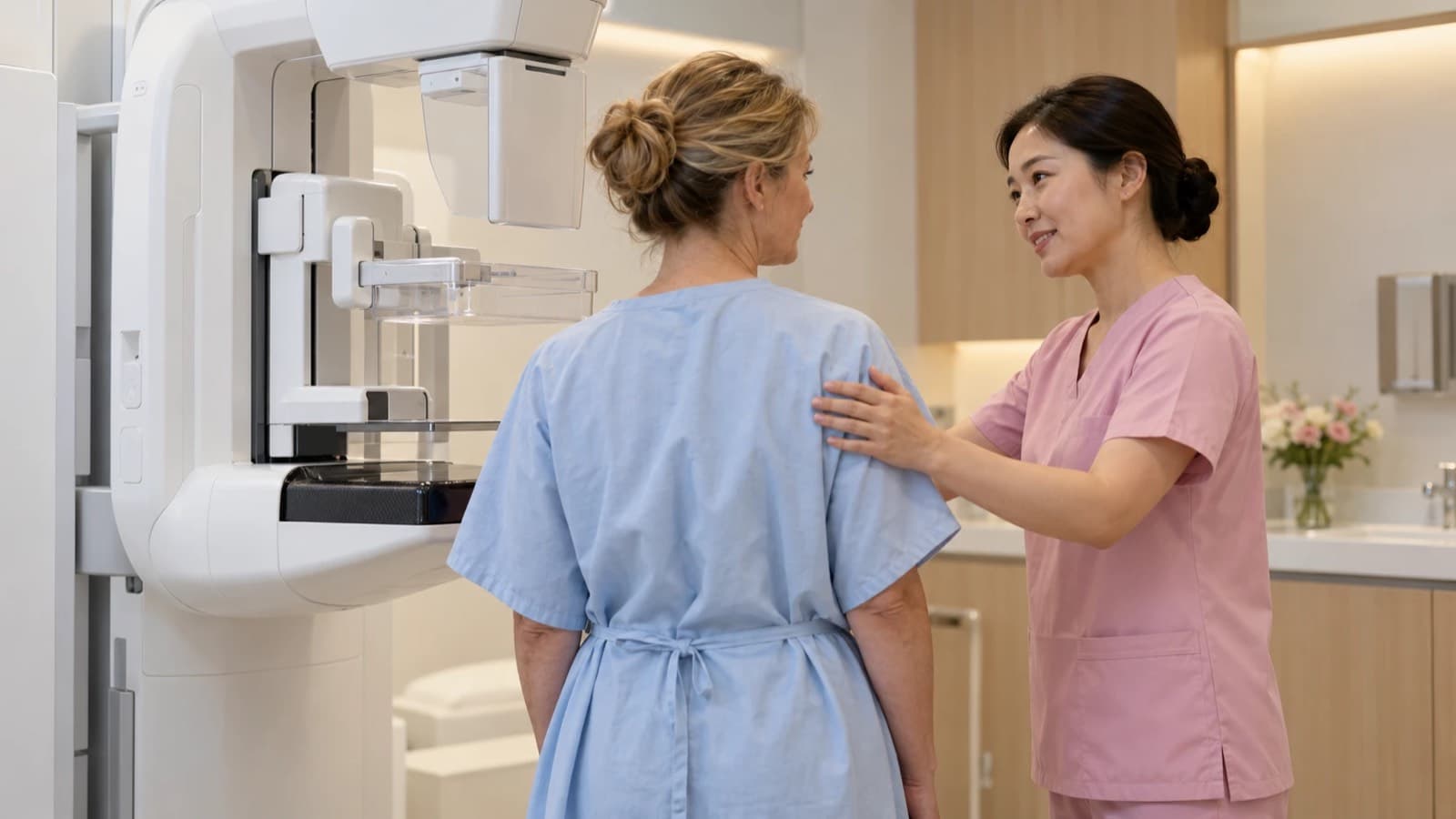
Breast, cervical, thyroid and bone screening in a single day, at a fraction of US cost — plus an honest account of the one test Korea is famous for over-ordering.