Melasma — the stubborn, symmetric brown patches on the cheeks, forehead, and upper lip — is one of the hardest pigment conditions to treat well. Aggressive lasers make it worse; doing nothing lets it deepen. Korean dermatology has built its global reputation on exactly this problem: low-energy laser toning done gently, repeatedly, and safely across all skin tones. (For the broader skin-care picture, see our K-beauty dermatology guide.)
Why melasma is different
Melasma isn't a spot you can blast away — it's overactive pigment cells influenced by hormones, sun, and heat. One strong treatment can trigger rebound pigmentation, which is why the Korean approach favors many gentle sessions over one aggressive one, always paired with strict sun protection and skin-barrier care.
The Korean toolkit
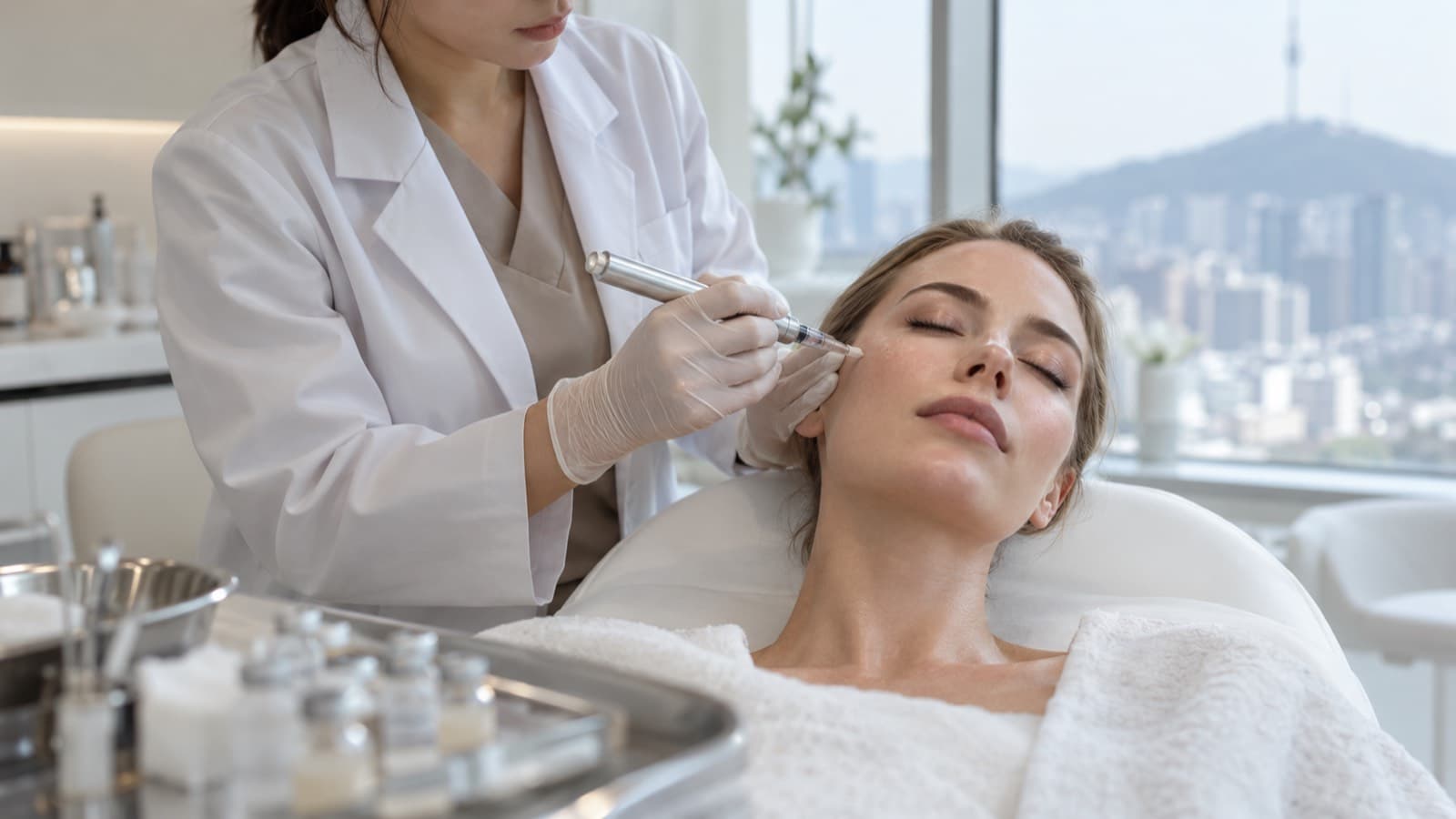
- Laser toning (low-fluence Nd:YAG). The signature protocol: brief, low-energy laser passes that break pigment down gradually without inflaming the skin. Typically done in a series of 5–10+ short sessions.
- Pico lasers. Newer picosecond platforms shatter pigment with less heat — often used alongside or instead of Nd:YAG toning.
- Topicals & oral therapy. Prescription lightening creams and, where appropriate, oral tranexamic acid support the laser plan.
- Combination care. Mild peels, skin boosters, and barrier-repair treatments round out a typical Korean pigment program.
What it costs (Korea vs US)
| Treatment | United States | South Korea |
|---|
| Laser toning, per session | $300–$600 | $80–$200 |
| Pico laser, per session | $400–$800 | $150–$350 |
| Multi-session pigment program | $2,500–$5,000 | $600–$1,500 |
Illustrative ranges in USD; final pricing depends on the clinic and your skin.
What results to expect — honestly
Melasma is managed, not cured. A well-run program visibly lightens patches over a series of sessions, but maintenance matters: daily sunscreen, avoiding heat triggers, and occasional touch-up sessions keep results. Any clinic promising permanent removal in one visit is overpromising.
Planning a treatment trip from the US
- Length of stay: A focused 5–7 day trip typically fits a consultation plus 2–3 closely spaced sessions, with a plan to continue at home or on a follow-up visit.
- Timing: Results build over weeks; many patients pair a first trip with a later short visit.
- All skin tones: Korean pigment protocols are calibrated for darker as well as lighter skin — ask your clinic about experience with your skin type.
How to choose a clinic
- Look for a board-certified dermatologist (피부과 전문의) who leads pigment cases personally.
- Ask which laser platforms they run and how they sequence toning, pico, and topicals.
- Get a written per-session and package price up front. Curo pre-screens all of this.
How Curo helps
Curo matches you with a doctor-vetted dermatology clinic, returns the clinic's own price with no foreigner markup, and arranges your booking and interpretation at no cost. Explore Dermatology & Skin in Korea, or get a free quote.
This content is general information and not medical advice. Personal treatment decisions require consultation with your treating physician. Curo is a Ministry of Health & Welfare–registered international patient attraction agency and is not a medical institution.