SMILE (Small Incision Lenticule Extraction) is the newest generation of laser vision correction: no corneal flap, a tiny 2–4mm incision, and a fast, comfortable recovery. Korean eye centers were among the earliest and highest-volume adopters in the world, and the procedure costs a fraction of US prices. (For the full vision-correction picture — LASIK, LASEK, and ICL — see our LASIK in Korea guide and the Eye Surgery & LASIK overview.)
What makes SMILE different
- No flap. LASIK creates a hinged corneal flap; SMILE removes a thin lens-shaped layer (lenticule) through a small keyhole incision instead.
- Less dry eye. Because far fewer corneal nerves are cut, dry-eye symptoms are typically milder and shorter-lived than after LASIK.
- More stable cornea. The untouched outer cornea keeps more of its strength — a plus for people with active lifestyles or contact sports.
- Fast visual recovery. Most patients see well the next day and return to normal activities within days.
Why Korea for SMILE
Korean ophthalmology centers perform SMILE at some of the highest volumes in the world, with surgeons who have tens of thousands of cases behind them. Clinics run the newest-generation lasers, and thorough pre-op imaging determines honestly whether SMILE, LASIK, or ICL fits your eyes — not just what's most profitable.
What it costs (Korea vs US)
| Procedure (both eyes) | United States | South Korea |
|---|
| SMILE | $4,000–$7,000 | $1,800–$3,000 |
| LASIK | $4,000–$6,000 | $1,000–$2,000 |
| ICL (implantable lens) | $7,000–$10,000 | $4,000–$6,000 |
Illustrative ranges in USD; your quote depends on the clinic and your prescription.
Am I a candidate?
SMILE treats myopia (nearsightedness) up to about -10D and mild astigmatism. It's not currently used for farsightedness. Thin corneas, high prescriptions, or dry-eye history may point to ICL instead — the pre-op exam decides. You should be 18+ with a stable prescription for at least a year.
The short-trip timeline
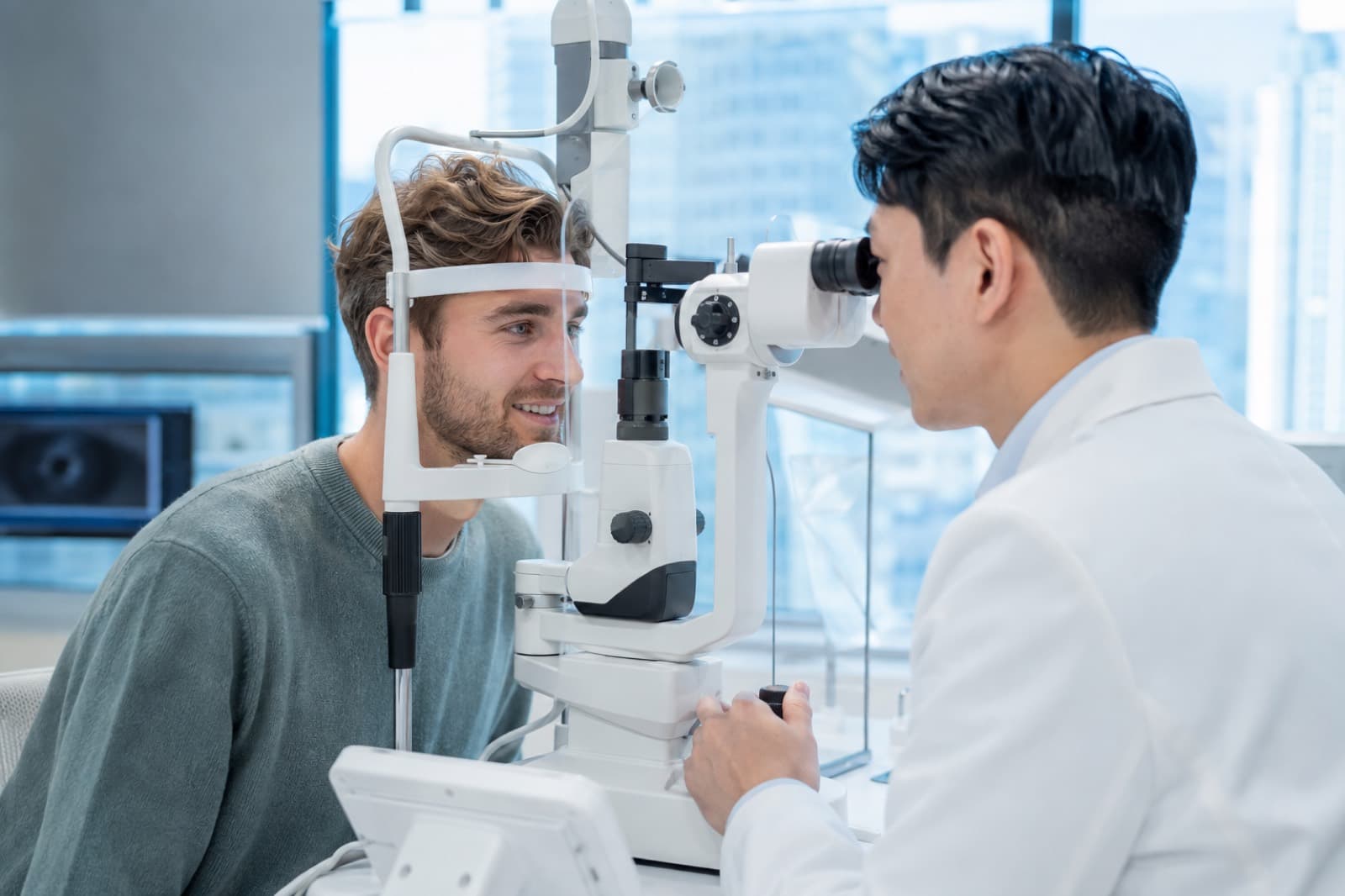
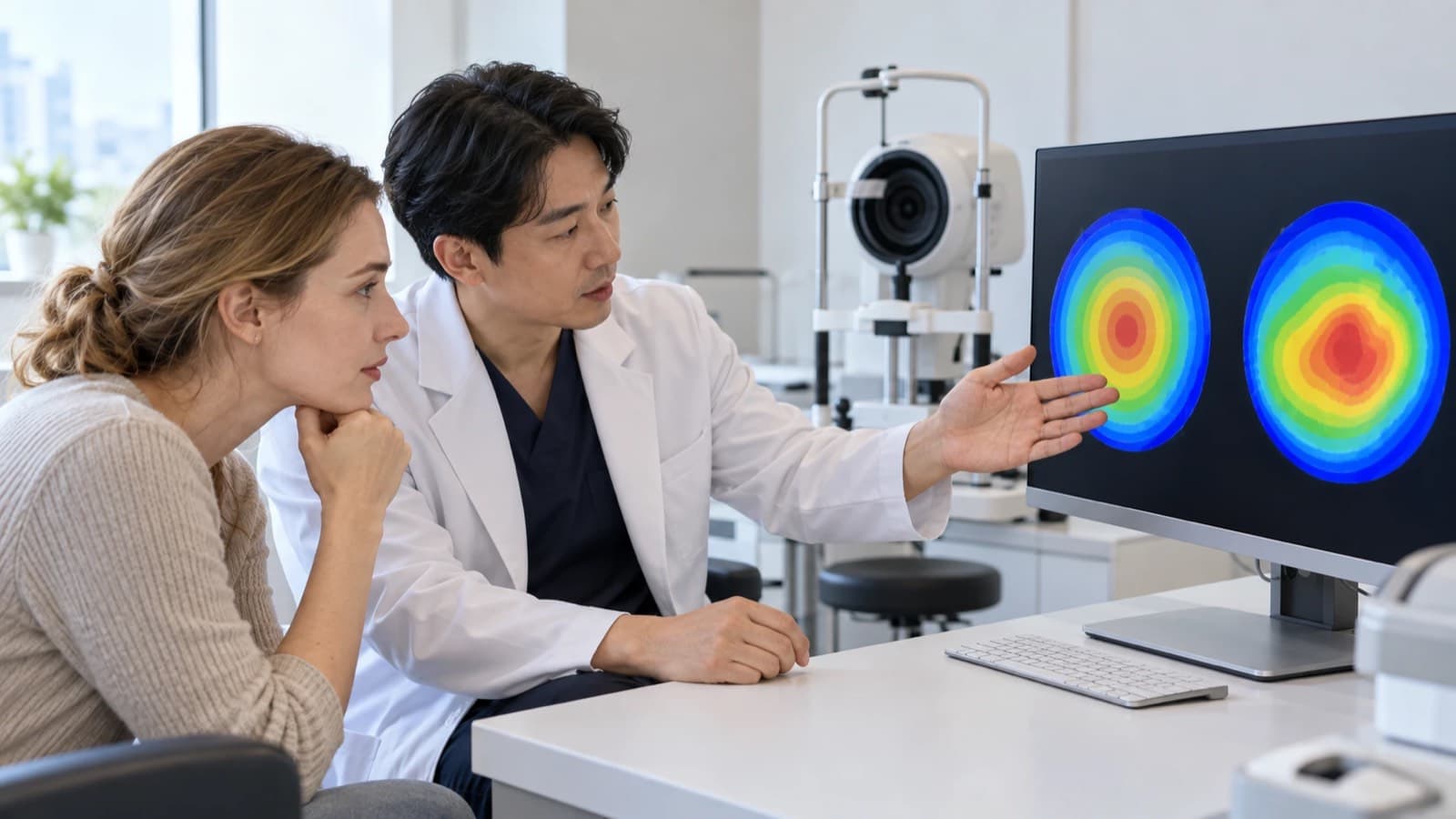
- Day 1: Comprehensive pre-op exam (corneal mapping, pupil, tear film). Stop soft contacts about a week before.
- Day 2: The procedure itself — about 10–15 minutes for both eyes, awake with numbing drops.
- Day 3: Next-day check-up. Most patients are cleared to fly home after this visit.
A 2–4 day trip covers the whole process, with remote follow-up after you return.
How to choose a clinic
- Ask for the surgeon's SMILE case volume and the laser platform used.
- Confirm the clinic screens honestly across SMILE/LASIK/ICL rather than defaulting everyone into one procedure.
- Get an itemized quote including post-op drops and follow-up. Curo pre-screens all of this.
How Curo helps
Curo matches you with a doctor-vetted eye center, returns the clinic's own price with no foreigner markup, and arranges your booking and interpretation at no cost. See the Eye Surgery & LASIK overview, or get a free quote.
This content is general information and not medical advice. Personal treatment decisions require consultation with your treating physician. Curo is a Ministry of Health & Welfare–registered international patient attraction agency and is not a medical institution.