Cataracts are a normal part of aging, and cataract surgery is one of the most common and successful operations in the world. Korea performs it in very high volume, with the latest premium lenses and laser-assisted techniques — often well below US self-pay prices. (For vision correction rather than cataracts, see our LASIK guide and ICL guide.)
What cataract surgery does
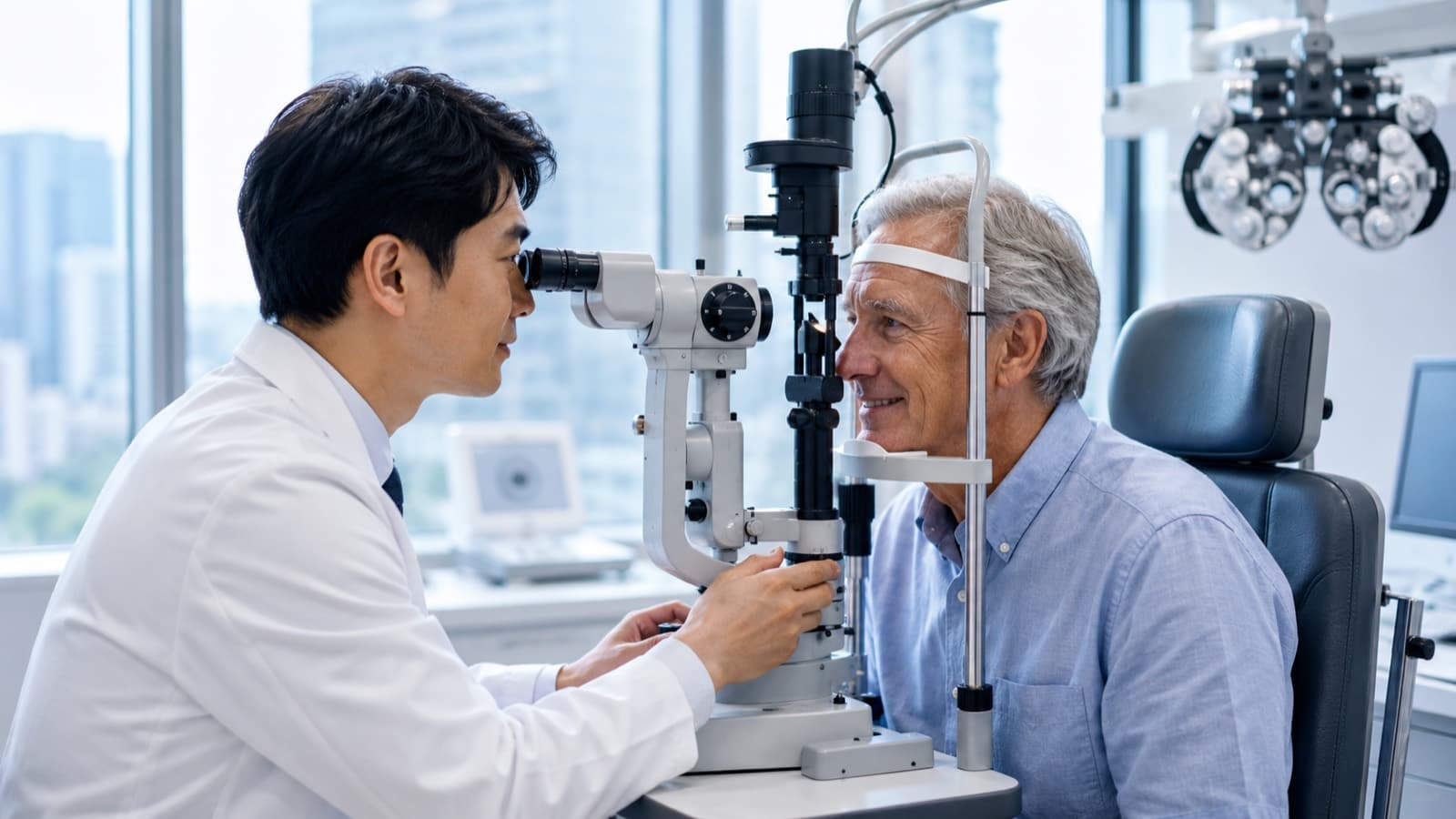
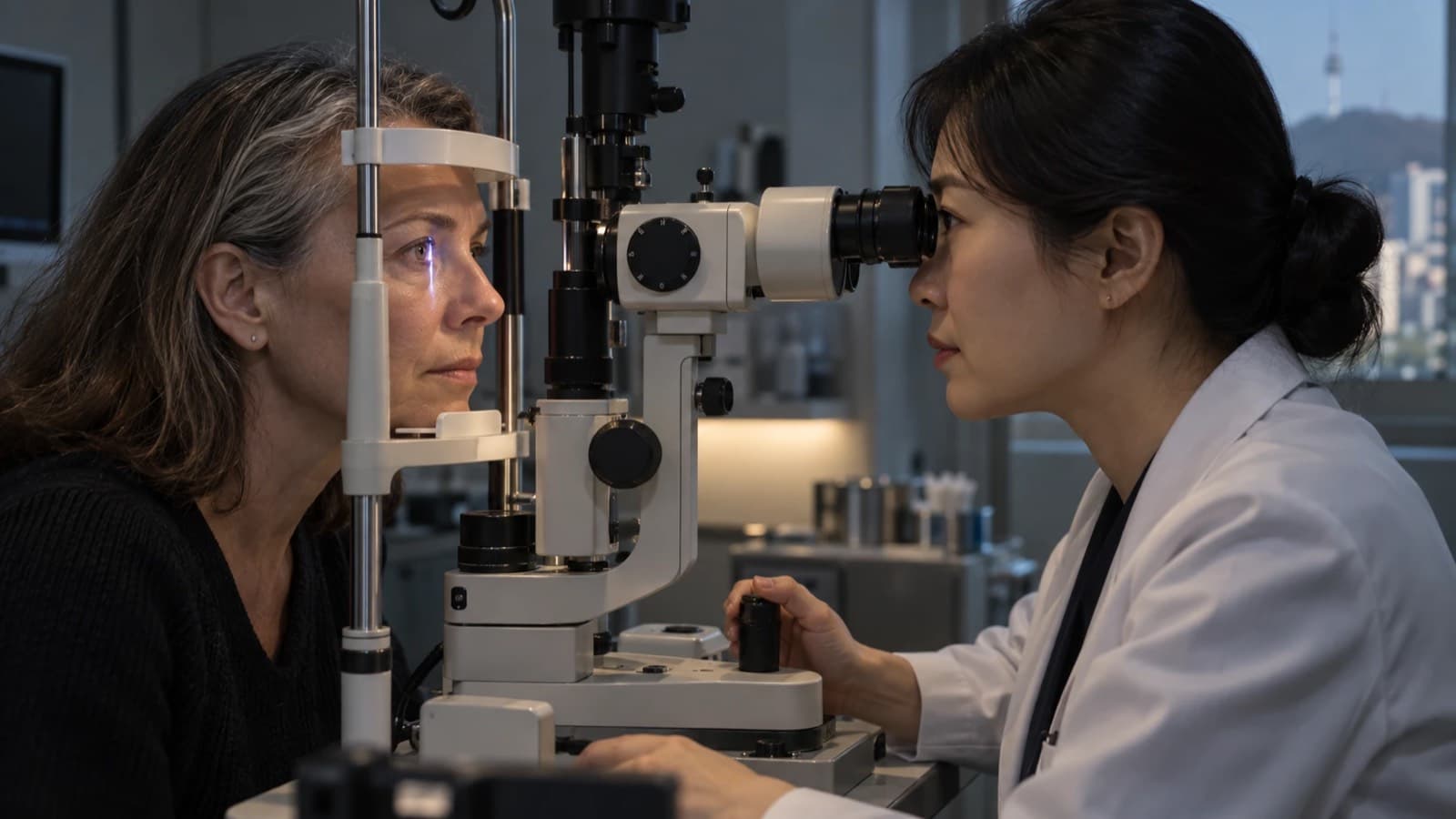
A cataract is a clouding of the eye's natural lens. Surgery removes the clouded lens and replaces it with a clear intraocular lens (IOL). The procedure takes about 15 minutes per eye and is done with numbing drops — no general anesthesia.
Why US patients choose Korea
- High volume — Korean eye centers perform cataract surgery daily, with refined technique.
- Premium lenses — the latest multifocal, EDOF, and toric IOLs are widely available.
- Transparent pricing — you pay the clinic's own price, with no foreigner markup, and premium-lens upgrades cost far less than US self-pay.
Choosing your lens (IOL)
- Monofocal — sharp vision at one distance (usually far); glasses for reading
- Multifocal / EDOF — a broader range of focus, reducing dependence on glasses
- Toric — corrects astigmatism at the same time
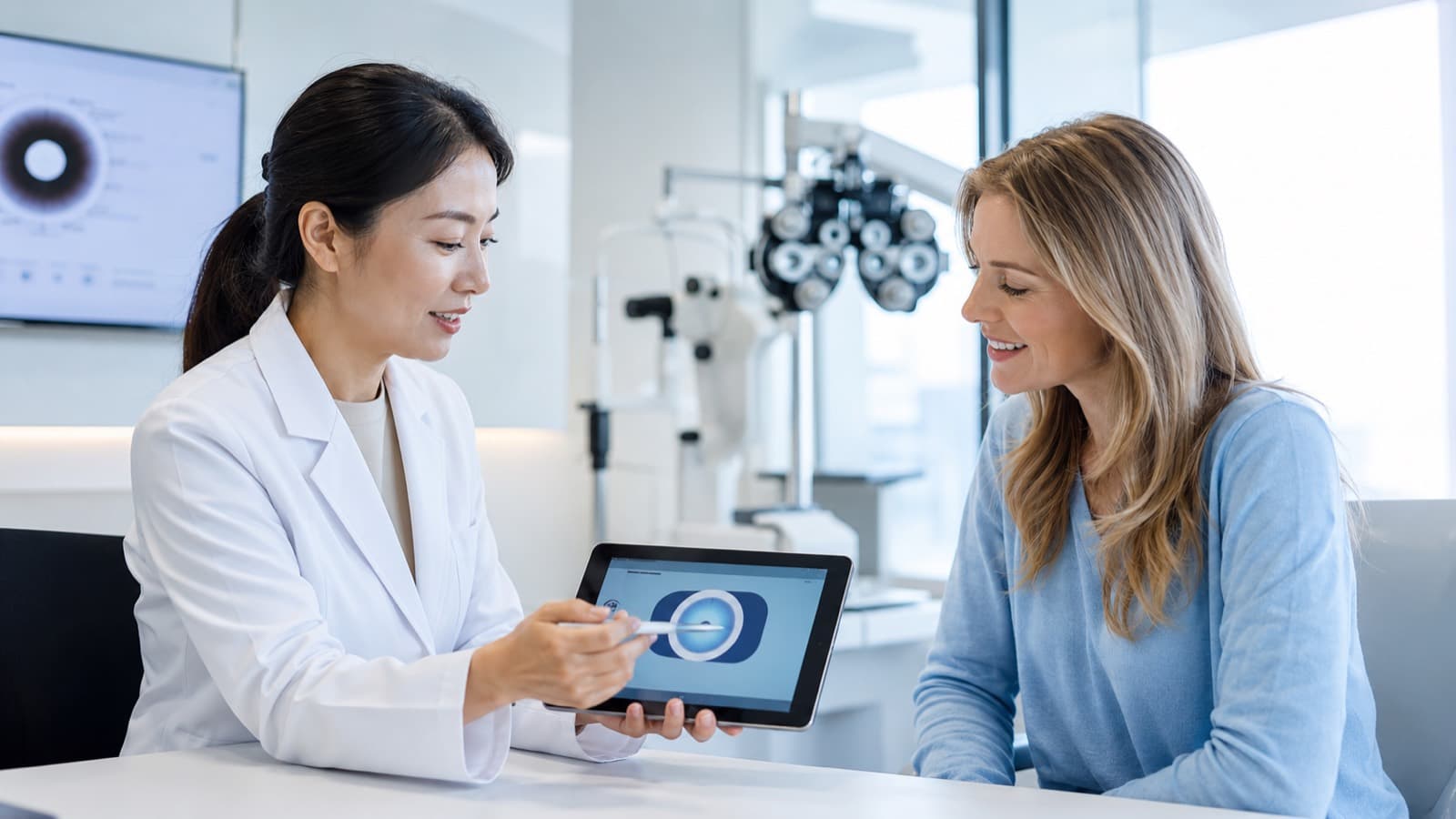
Your surgeon recommends the lens based on your eyes, lifestyle, and budget.
What it costs (Korea vs US)
| Procedure | United States (self-pay) | South Korea |
|---|
| Cataract surgery, monofocal (per eye) | $3,500–$5,000 | $1,500–$2,500 |
| Premium multifocal / EDOF lens (per eye) | $4,000–$6,500 | $2,500–$4,000 |
| Laser-assisted (femto) add-on | +$1,000–$2,000 | +$800–$1,500 |
Illustrative ranges in USD; premium lenses are typically out-of-pocket in the US. Your quote depends on the lens and your eyes.
What to expect and recovery
Most patients notice clearer vision within a day or two. You'll use drops for a few weeks and avoid rubbing the eye or heavy lifting briefly. A next-day check-up confirms healing.
- Second eye: usually done a few days after the first
- Cleared to fly home: commonly 5–7 days after the first eye, once both eyes are treated and checked
How to choose a clinic
- Confirm a board-certified ophthalmologist with high cataract volume.
- Ask which IOL brands they offer and whether laser-assisted surgery is available.
- Get an itemized quote in writing. Curo pre-screens all of this.
Planning your trip from the US
- Entry: US citizens visit visa-free for short stays — check the current K-ETA before flying.
- Length of stay: Plan about 5–8 days for both eyes and follow-up.
- Support: Curo arranges interpretation and daily coordination.
How Curo helps
Curo matches you with a doctor-vetted eye center, returns the clinic's own price with no foreigner markup, and arranges your booking and interpretation at no cost. Explore Eye Surgery & LASIK in Korea, or get a free quote.
This content is general information and not medical advice. Personal treatment decisions require consultation with your treating physician. Curo is a Ministry of Health & Welfare–registered international patient attraction agency and is not a medical institution.